

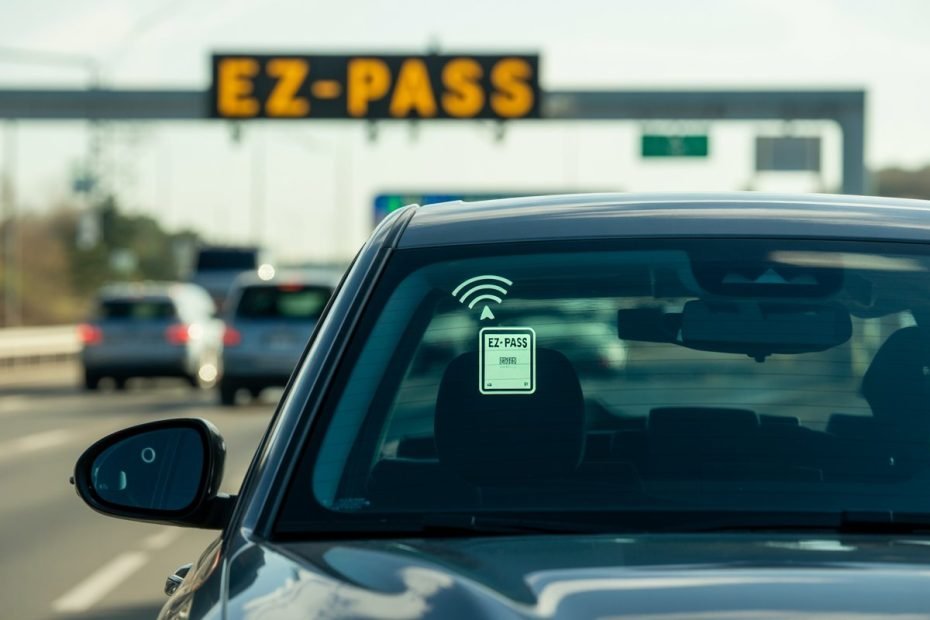
So, you’ve got that fresh new tint on your windshield, and it looks absolutely amazing. But as you’re admiring the sleek, new look, a nagging thought hits you: what about my E-ZPass?
Will you be that person holding up the entire toll lane, frantically waving your transponder out the window like you’re trying to land a plane? Let’s get straight to it: Yes, in most cases, your E-ZPass will work just fine through a tinted windshield. However, there’s a big “but” involved. It all comes down to the type of tint you have.
- The Science Behind the Signal (But Fun, I Promise)
- The Tint Showdown: Not All Films Are Created Equal
- Okay, So How Do I Know What Tint I Have?
- Troubleshooting: When Your E-ZPass Refuses to Cooperate
- A Quick Word on Windshield Technology
- A Quick Note on Tint Legality
- Frequently Asked Questions
- My Final Toll Thoughts
The Science Behind the Signal (But Fun, I Promise)
Your E-ZPass isn’t powered by magic, even though it sure feels like it when you cruise through a toll plaza at 65 mph. It uses Radio Frequency Identification (RFID) technology to have a quick chat with the overhead reader. It’s a simple, yet brilliant, system that keeps traffic moving.
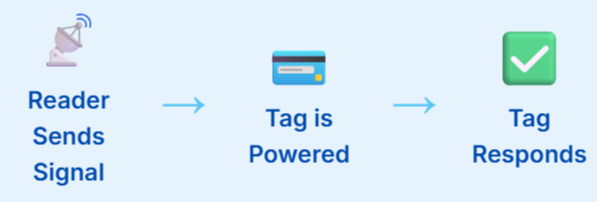
Think of it as a super-fast, electronic handshake. The reader sends out a radio signal, your little white transponder wakes up from its nap, and it replies with its unique ID number.
Boom! The transaction is recorded, the light turns green, and the gate (if there is one) opens.
The whole process relies on that radio signal having a clear, unobstructed path. Most materials, like the glass of your windshield, don’t bother it at all. But certain materials can act like a bouncer at an exclusive club, telling that signal, “Sorry, pal, you’re not on the list.”
The Tint Showdown: Not All Films Are Created Equal
This is where things get interesting, because the material your window tint is made of is the single most important factor. The wrong type of film can essentially make your transponder invisible to the toll reader.

Let’s break down the main players according to leading manufacturers.
Standard Dyed & Carbon Tints: The Green Light
If you have a standard, non-metallic tint on your car, you can breathe a sigh of relief. These films are typically made from layers of polyester with dye mixed in to absorb sunlight and create the tinted look. They’re effective, affordable, and, most importantly, transparent to radio waves.
Carbon tints are a nice step up, using microscopic carbon particles to block infrared light and reject heat more effectively. The good news? Neither dye nor carbon is known for blocking RFID signals. Your E-ZPass signal will pass right through these tints like they’re not even there.
So, if you went for a basic or mid-range tint from a reputable shop, you can probably stop reading here and go about your day. But where’s the fun in that? Let’s dig into the potential troublemakers.
Metallic Tints: The Potential Party Pooper
Now we get to the tricky one. Metallic tints, as the name obviously suggests, contain tiny, invisible metal particles. These films are fantastic at reflecting solar energy, which is why they are so effective at keeping your car’s interior cool.
Unfortunately, that same reflective property is what causes problems. Those metal particles are also fantastic at reflecting and scattering radio waves, including the ones your E-ZPass uses.
This creates a phenomenon known as a Faraday cage effect. It essentially forms a shield that blocks electronic signals from getting in or out.
It’s the same reason your cell phone service might suddenly drop when you get into an elevator or a building with a lot of metal in its structure. The metallic tint can effectively “blind” your transponder, preventing it from communicating with the toll reader.
Ceramic Tints: The High Tech (and Safe) Choice
Finally, we have the king of window tints: ceramic. These high-end films use ceramic nanoparticles that are non-conductive and completely non-metallic. They are engineered to block the specific wavelengths of light that cause heat (infrared) and UV damage, without needing any metal at all.
What does that mean for your E-ZPass? It means you get all the amazing benefits of premium heat rejection without interfering with any electronic signals. Your RFID tag, GPS, satellite radio, and cell phone will all work perfectly.
It’s truly the best of both worlds: a cool, comfortable car and smooth sailing through every toll. My last two cars have had ceramic tint for this very reason, and I’ve never had a single issue with my transponder. It’s a perfect example of getting what you pay for.
Okay, So How Do I Know What Tint I Have?
This is a great question, especially if you bought the car used or had the tint installed years ago and can’t remember the details. Figuring out what kind of film is on your windows is the first step to troubleshooting any potential issues.
The easiest and most reliable way is to check the receipt or warranty card from the installation shop. It should clearly list the brand and the specific product line of the film that was used. A quick Google search of that name will tell you if it’s dyed, carbon, metallic, or ceramic.
If you don’t have the paperwork, you can try the “cell phone test.” Sit in your car with the doors closed and watch your cell signal strength. If you see a significant drop in bars or your GPS has trouble finding a signal, there’s a good chance you have a metallic tint.
Here are a few ways to identify your tint:
- Check your paperwork: The installer’s invoice or warranty card is your best friend.
- Ask the installer: If you know which shop did the work, give them a call. They often keep records.
- Look for a rainbow effect: Some older or cheaper metallic tints have a slightly reflective, almost rainbow-like sheen when viewed from the outside in direct sunlight.
- Perform the signal test: Use your phone’s GPS or radio. If signals are noticeably weaker inside the car compared to outside, metal is the likely culprit.
Troubleshooting: When Your E-ZPass Refuses to Cooperate
So, you’re pulling up to the toll booth, and the dreaded “TOLL UNPAID” message flashes. It’s an awkward moment we all want to avoid. Before you start blaming the tint, let’s run through a few common issues and solutions.
The Right Mounting Spot Is Everything
Believe it or not, where you place your transponder matters a lot. Most state E-ZPass agencies have very specific instructions for mounting it, usually to the immediate right or left of the rearview mirror mount. You can find detailed instructions on the official E-ZPass IAG website.
Why is this spot so important? Because many modern windshields have a special, non-metalized section in that area specifically for transponders and GPS receivers. You can often spot this “cutout” area as a patch of black dots or a speckled pattern right behind the rearview mirror, designed to allow signals to pass through freely.
Before you do anything else, double-check that your tag is exactly where the instructions say it should be. Sometimes, moving it just a couple of inches can make all the difference between a smooth pass and a frustrating violation notice.
The “Wave It Out the Window” Method
Look, it’s not glamorous, and it certainly isn’t a long-term fix, but it works in a pinch. If your tag isn’t reading from its mounted position, holding it up to an open window or sunroof will almost always get the job done.
Think of this as a diagnostic tool. If the transponder works perfectly when it’s outside the car but not when it’s inside, that’s a crystal clear sign that something inside the cabin is blocking the signal. And, yep, your window tint is now the prime suspect.
The Exterior Tag Solution
Did you know they make special E-ZPass tags designed to be mounted on the outside of your car? They are a bit more rugged and are typically installed on the front license plate mounting bolts. They’re a foolproof solution.
These exterior transponders are ideal for vehicles with signal-blocking materials. This includes cars with metallic tint or high-end models that come with athermic (solar-coated) windshields from the factory. If you’ve tried everything else without success, this is your guaranteed fix.
You will likely have to request one specifically from your E-ZPass service center. It’s a bit more “industrial” looking than the sleek interior tag, but hey, it provides peace of mind and guarantees you’ll never get stuck at a toll again.
A Quick Word on Windshield Technology
Sometimes, the tint isn’t the villain at all! Many modern vehicles, especially luxury brands, come with advanced windshields that can interfere with RFID signals right from the factory. This is a crucial point that many people overlook.
These advanced windshields can include features like:
- Athermic or Solar Coated Glass: This glass has a thin, invisible metallic layer inside it to reflect heat.
- Heated Windshields: These have a grid of very fine, nearly invisible wires embedded in the glass.
- Acoustic Glass: This uses special laminates to reduce road and wind noise.
All of these technologies can potentially block or weaken the signal from your E-ZPass. If you have a brand new car and are having issues before even getting it tinted, check your owner’s manual. It will almost always point out the designated “clear zone” where transponders should be mounted.
A Quick Note on Tint Legality
While we’re focused on the tech, it’s worth remembering that window tint laws are a real thing. Every state has specific rules about how dark your side windows can be and whether you can tint your front windshield at all (usually, you can only tint a strip at the top).
Before you get any tint installed, it’s a smart move to check your local state laws to avoid a pricey ticket.
Frequently Asked Questions
Here are quick answers to a few common questions that pop up.
Q: Will 5% “limo tint” on my windshield block my E-ZPass?
A: It’s not about the darkness (the 5%), but the material. A 5% ceramic tint will be fine, while a 5% metallic tint will likely cause issues. Also, be aware that having any tint on the front windshield below the AS-1 line is illegal in most states.
Q: Can I get a ticket if my transponder doesn’t read because of my tint?
A: Yep, you’ll most likely get a violation notice in the mail. While you can often dispute it by proving you have a valid E-ZPass account, it’s a headache you can avoid by making sure your tag works correctly in the first place.
Q: Do other toll passes like SunPass or FasTrak have the same problem?
A: They sure do. All RFID-based toll tags, regardless of the system (E-ZPass, SunPass, FasTrak, TollTag, etc.), operate on the same principle. That means they can all be blocked by metallic window films.
My Final Toll Thoughts
At the end of the day, getting your windshield tinted shouldn’t cause a major toll road crisis. The technology in both automotive films and tolling systems has come a long way, and in most cases, they play together very nicely.
For the vast majority of drivers with standard dyed, carbon, or high-quality ceramic tints, you will have zero problems. Mount the transponder in the correct spot behind your rearview mirror, and you can completely forget about it.
If you have a metallic tint or a fancy factory windshield, you might just need to take an extra step. This could mean finding the clear cutout or ordering an external tag.
My best advice? If you’re in the market for new tints, just ask for ceramic. It might cost a little more upfront, but it completely eliminates this worry from the equation, ensuring all your gadgets work as intended.
Now go enjoy that beautifully tinted ride and breeze through those tolls like you own the place. Got a story about your tint causing a toll booth fiasco? Drop it in the comments below!

Pavithra Vinoth is the founder of nytollsinfo.com, where she simplifies U.S. toll systems through expert insights and custom-built calculators. Her research-driven tools help drivers avoid costly mistakes and make smarter car decisions.